What Cannes 2025 Got Right (and Missed) About Brand
By Sam Carter, CEO of Fospha
By Sam Carter, CEO of Fospha

This year at Cannes Lions, one word was on everyone’s lips: brand. Whether it was how to build it faster, how to make it last longer— or whether we should bother at all — brand was at the heart of the conversation.
And it makes sense. In a climate where marketing is under pressure to prove impact faster than ever, brand can feel like the odd one out. It doesn’t deliver neat returns in the same reporting cycle and Its full value is not always captured by performance metrics.
But that doesn’t make it any less important.
At one of the liveliest sessions of Cannes Lions 2025, Rory Sutherland, Scott Galloway, and Elf Beauty’s Kory Marchisotto debated whether the era of brand-building was over.
Sutherland, true to form, cut through the noise with an analogy that stuck with me:
“A brand is like a pension. You invest for years and think it’s rubbish. And then one day you wake up and go: bloody hell, where did all this equity come from?”
He’s right—and here’s why.
Most marketing today focuses on the 5% of people who are in-market right now. That’s where spend drives quick, measurable results. But it leaves the other 95% — the future buyers — unengaged. Over time, chasing only immediate demand drives up acquisition costs and stunts long-term growth.
It’s how you build relevance, preference, and pricing power before a customer even knows they’re in the market. You’re not trying to force a sale—you’re planting the seed of future choice.
As Jon Grail from Sweaty Betty put it in a recent Fospha webinar on this topic:
“Running brand activity does not create a need to have a pair of leggings to go jogging in. What it does mean is when she gets into running… she’s choosing to spend our dollar with us.”
Fospha’s data shows in no uncertain terms that stronger brands do in face drive stronger performance, with businesses who spend more than 10% on Brand campaigns have 2X the overall marketing efficiency ratio of brands spending less.
This long-term impact of brand is exactly why it is both so important and so misunderstood as a topic.
Despite the popularity of sessions with titles about ‘the death of brand’, the reality is that most marketers don’t need convincing that brand is valuable. The challenge isn’t belief — it’s buy-in.
Because while marketers might see brand as a long-term investment, finance teams still need evidence to support that investment. Especially when pressure is mounting to cut costs and show impact.
Telling finance to “be patient, it’ll pay off one day” doesn’t exactly fly in a budget meeting. And that’s the real tension: we don’t lack the why for brand — we lack the how.
How do we measure brand before the revenue shows up?
How do we show that today’s awareness drives tomorrow’s sales?
How do we defend brand budgets with more than a hunch?
One of the biggest blockers to brand investment today is measurement. Not because brand doesn’t work—but because the wrong metrics make it impossible to see its impact. The metrics readily available to marketers are either soft and disconnected from business outcomes, or overly short-term in their outlook— missing the impact altogether.
Brand campaigns judged on ROAS alone often underperform on paper. Their value plays out over time, building long-term demand and pricing power.
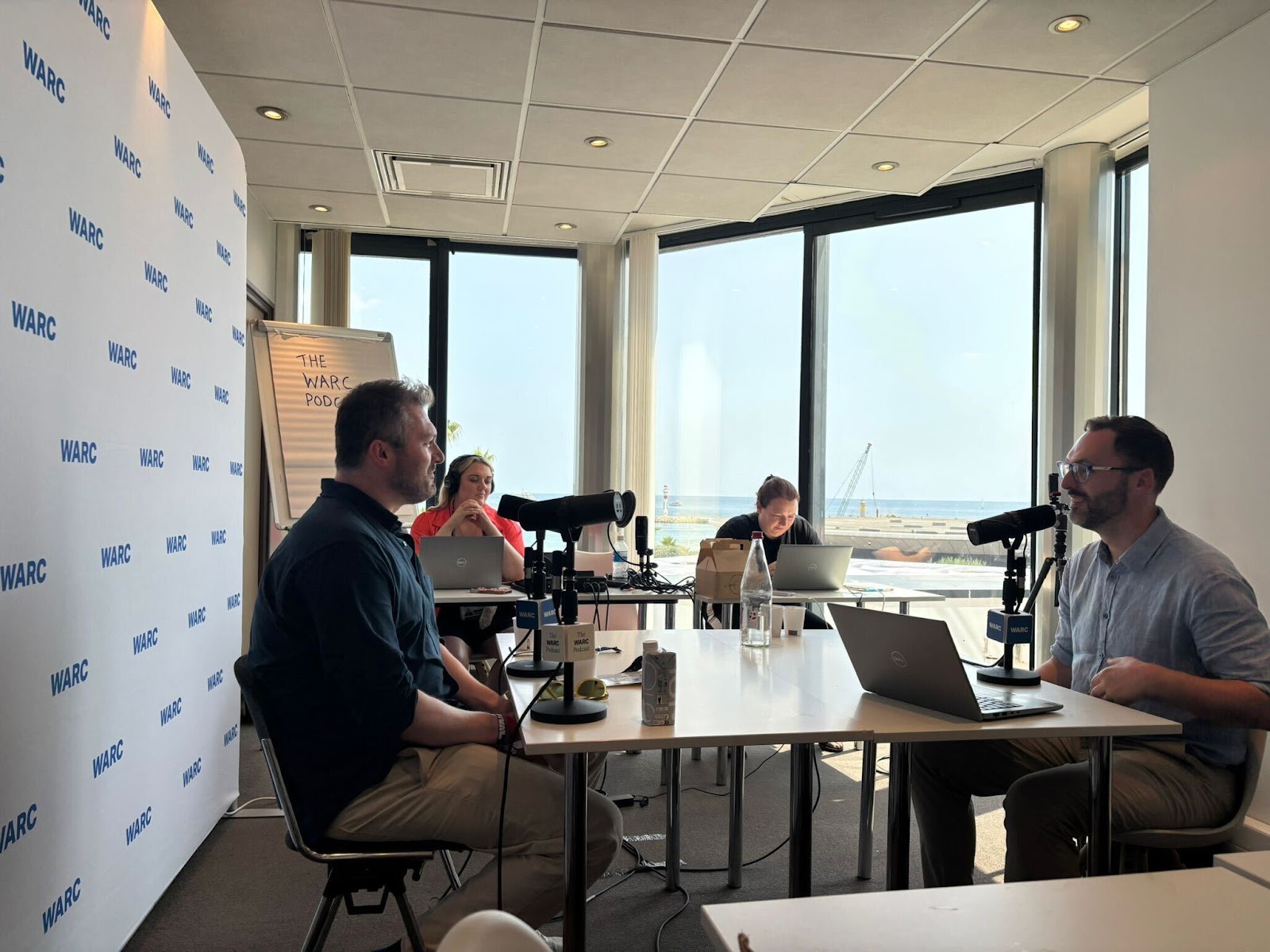
At Cannes, I joined the team at WARC, publishers of the popular ‘Multiplier Effect’ Report**,** to talk about this very challenge on their podcast. One of the key takeaways was this:
Brand is often misunderstood not because it lacks value, but because it lacks visibility.
At Fospha, our recent research has found that branded search and engaged visits are signals that react quickly to brand spend—and critically, they have a causal relationship with future business outcomes. Using Bayesian Network Modeling, we saw a strong causal link between awareness impressions and average order value in 85% of cases.

These signals offer something brand marketers have long needed: early proof that brand is working, and a way to connect it to business outcomes finance teams care about.
To protect brand budgets, we don’t need just belief — we need better signals.
The debates at Cannes this year reminded us why brand matters: it builds future demand, relevance, and pricing power.
But the real challenge is the how. How we protect brand budgets in a performance-obsessed world?
The answer lies in better signals, smarter frameworks, and a shared language between marketing and finance.
Because when we get the how right, the why becomes undeniable.
Leave a Reply
You must be logged in to post a comment.