Does Video + Social = Digital Marketing's Sweet Spot?
Video and social complement each other in many ways. Here are some tips that will ensure your marketing strategy leverages the links between the two.
Video and social complement each other in many ways. Here are some tips that will ensure your marketing strategy leverages the links between the two.
Between the NBA’s 3.5 million followers on Instagram, a General Electric (GE) Vine that received 25,000 likes, and an EA Sports video that generated more than 8 million YouTube views in a single month, one thing has become clear: social sites are where brands, and brand videos thrive. Marketers are using online video to engage consumers, yes. But it’s social media they rely on to build and sustain their user base.
Video and social media are, in many ways, a match made in heaven. Like the old nursery rhyme about Jack Sprat and his wife, each needs the other to complete it, delivering in the areas where the other falls short. Video provides entertainment and information in a content package consumers prefer. Social media delivers that package to the people who want to see it, where they are.
According to the Pew Research Internet Project’s most recent Online Video survey, 56 percent of adult Internet users watch videos on social networks or mobile apps. Seventy one percent of those who post videos online do so to social media, while 58 percent of those who watch online videos do it on social networks.
Meanwhile, social sites are doing everything in their power to attract branded content. Google’s been encouraging content creators to link their YouTube channel with their Google+ profile to “take advantage of new features with enhanced integration between Google+ and YouTube.” Facebook is recruiting companies like Disney to test their video content on its network, and reportedly looking for ways to incorporate ads. Twitter’s recently launched Promoted Video ad product is receiving positive feedback from marketers, too, The Wall Street Journal says.
Why the hard push to merge the two mediums? Video is becoming a force to be reckoned with, particularly when it comes to inciting a consumer response. One survey from mobile video company Animoto found that 73 percent of consumers are more likely to purchase a product if they see a video about it first. Seventy one percent said that watching a brand video delivers “a positive impression” of that brand, and 58 percent of survey participants consider companies that create video content “more trustworthy.”
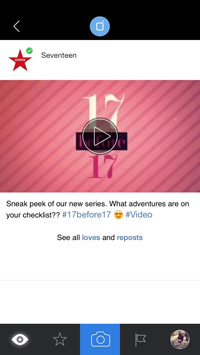
It’s data like this that has the NBA, GE, and EA Sports extending the reach of their video content through social sites. “It’s all about combining the value for the user with the value for the brand,” says Ido Sadeh, chief operating officer at Mobli. The video-and photo-sharing app that rivals Instagram has worked with brands like Fancy and Seventeen Magazine to stream live broadcasts, disseminate videos of new products, and offer consumers behind-the-scenes exclusives.
Here’s how you can leverage the link between video and social media to ensure your video content is a success.
Leave a Reply
You must be logged in to post a comment.