What Fitness Brands Must Get Right in 2026: Insights from Debra Strougo, Founder of Fitizens
ClickZ sat down with Row House and Fitizens founder Debra Strougo to explore the strategies, customer shifts, and partnership models that will define fitness, wellness, and beauty brand growth in 2026.
ClickZ met Debra Strougo, founder of Fitizens, a growth engine and connector for the fitness and wellness industry based in Newport Beach, California, at the Beauty Connect LA event earlier this year.
As part of our ongoing effort to give senior marketers more exclusive peer insights, we are spotlighting marketing and business leaders who are actively shaping the next wave of growth. The conversation below is adapted from a Q&A insight session between ClickZ and Debra, focused on what it will take for fitness, wellness, and even beauty brands to win in 2026.
ClickZ: Going into 2026, what does success look like for Fitizens as a growth partner to wellness brands?
Debra Strougo: It is always about really understanding your customer and being super clear on who that customer is, what makes them tick, what makes them engage with your brand.
Going into 2026 there is so much noise and competition, especially in fitness, wellness, and beauty, and a lot of disposable income coming into the category. That makes it more important than ever that you know exactly who you are trying to appeal to and how you speak to that specific customer.
That clarity is what attracts them, converts them, and keeps them engaged. For me, success is about bringing the right people in at the right time, whether that is customers, partners, or investors.
We have seen too many stories of money spent that does not render the way you hoped, on both acquisition and partnerships. You can put a lot of resources behind a partner and discover later it was never the right fit.
So I am very focused on knowing who is aligned with your brand and what that fit looks like. Usually it is based on mission, vision, values, where you show up in market, and what your product market fit is. Then you have to make sure that understanding is socialized through the entire ecosystem – staff, team, partners, vendors, agencies – so everything can fire on all cylinders.
ClickZ: You talk a lot about community and emotion. What really drives long term retention in fitness and wellness?
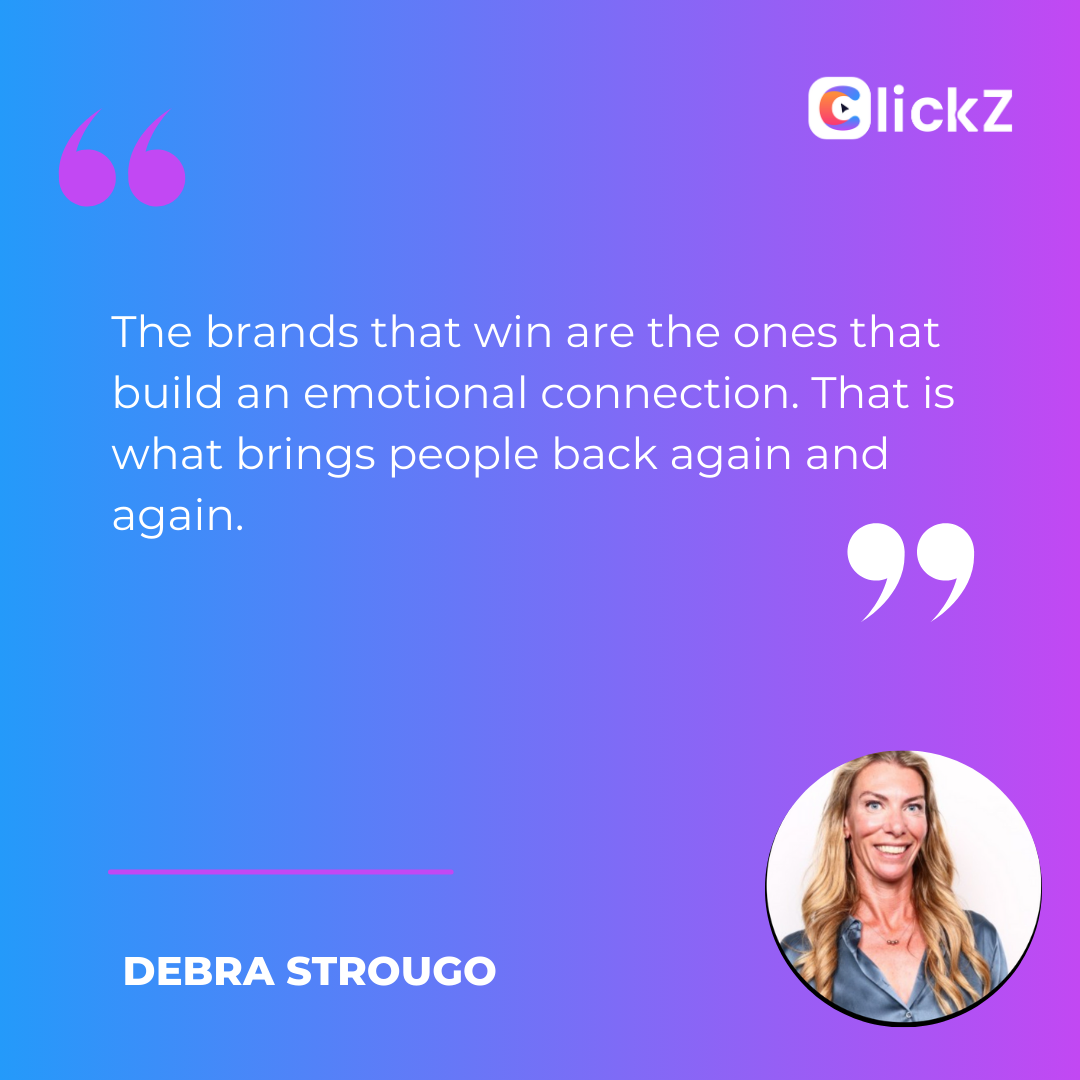
Strougo: The brands that do the best have an emotional connection with their customers.
I know the fitness and wellness industry inside and out. I have been monitoring it for about 25 years across gyms, studio growth brands, digital platforms, and then all the things around it like wearables, equipment, and products.
If you look at the brands that have really grown, SoulCycle is a classic example. The modality was cycling. The emotional connection was that “party on the bike” experience. That is what carried the brand and helped it crack into the mass market. People were coming who were not traditional fitness goers.
At Row House, we did something similar with rowing. We built an emotional connection around “pull together” and the idea that everybody in the room has a purpose. It was very camaraderie-driven.
The brands that do not quite get to that emotional layer have a much harder time being defensible unless they are purely a convenience play. If there are two gyms on your block, or several digital products you could use, the one that wins is the one that really connects with you and builds community so you keep coming back.
That “keep coming back” part is the key. Developing community and emotional connection is quintessential, and it is built on understanding your brand, your messaging, your value proposition, and how you connect with your consumer.
ClickZ: What are the biggest shifts in customer behavior that fitness and wellness marketers need to be ready for in 2026?
Strougo: I see three big ones.
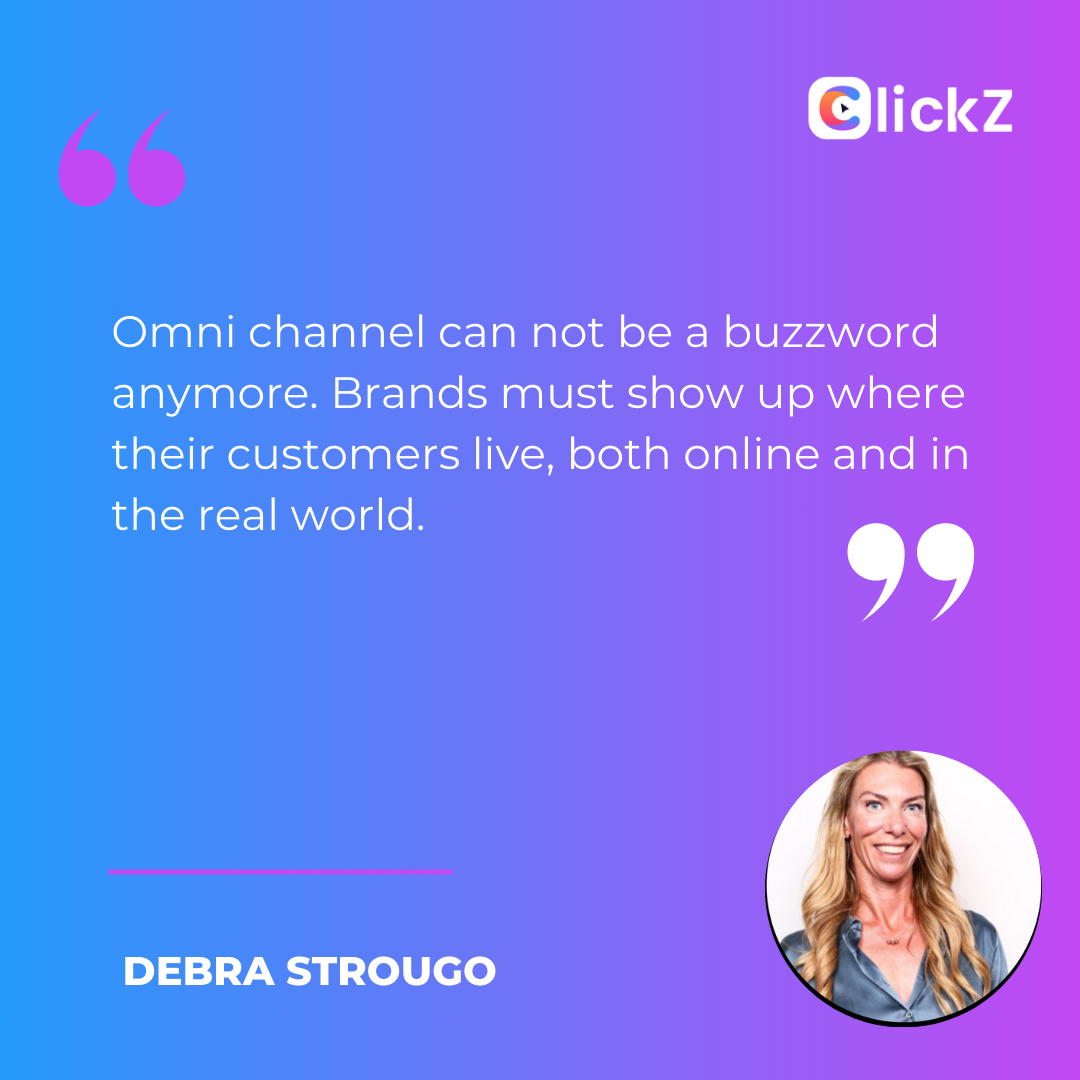
First, omni-channel can not just be a buzzword. We are all digital marketers and I love digital, but you have to think beyond the screen. A key growth focus right now is referral-based marketing. Referrals drive great acquisition and retention, and they often come from real world experiences.
So you think digital, but you also think about showing up in market – events, pop ups, old school tactics like gift bags and sampling. Someone sees your logo or product in a place they trust, they try it, they start to feel like they know the brand. That helps you guard against competition that only lives in a digital landscape.
Second, there has been a huge lift in the wellness side of the market and especially the female side. A lot of fitness routines, nutrition plans, and wearables were historically made on male test cases. Now more and more women with disposable income are focused on their own biological needs and spending into women focused fitness and wellness.
That means understanding what happens to energy, beauty, and overall health during different parts of the month and different life stages. There is clutter in the space, but the best brands that are rising are genuinely needed. I am part of a global group that is setting standards for what good looks like in this wellness space, and we will be talking about that a lot.
Third, partnerships. The fitness industry needs stronger connections to the outside world: CPG, smart tech, smart agencies. A lot of external brands only think about the biggest names – “I should connect with Equinox or SoulCycle.” In reality there is a much bigger landscape and often a much better partner for their objectives.
I see myself as a connector who brings the right brands together on both sides so 2 plus 2 equals 40 and they can find a faster, smarter path to product market fit and growth.
ClickZ: Fitizens positions itself as a connector. Which partner types tend to unlock the most growth for wellness brands?
Strougo: It depends on the brand’s needs and where they are in their journey. The work is in making the right “marriage.”
Creators and influencers can be incredibly powerful when there is a genuine connection. I have seen big influencers approach Pilates brands simply because they love the modality. When that is matched to the right brand, the content that comes out of it can be repurposed, resocialized, and used to build out a really strong story and social presence.
Other brands are very acquisition-oriented. They need agencies that understand top of funnel, channels like TikTok, and how to track the impact of those channels. That is complicated in fitness and wellness because some of the booking and CRM platforms are quite antiquated. There is a real hurdle in connecting those systems to newer channels and understanding ROI.
So it is not as simple as “find any agency” or “hire a big creator.” You need someone who understands the platform, trajectory, and timing of the brand.
Design is another angle. Some founders have built very strong niche communities with a certain brand look and feel. Once they have proved the concept, they need a visionary brand and design partner to take them from niche to more mainstream.
There is a place for all of these partner types. The real question is how you get to the right person as quickly as possible without wasting time and resources on people who do not have an appetite for it at that moment.
ClickZ: In the first 30 to 60 days with a brand, what do you look at to diagnose where growth is being held back?
Strougo: I start with the audience. Is there a clear understanding of who the customer is and what the product market fit is, not just in the founder’s head but across the leadership team and the wider business?
I have worked with brands where everybody can articulate that crisply, and you can see why they are skyrocketing. I have also worked with brands where there is a real disconnect between areas that are successful and areas that are flailing. Often that comes down to communication and alignment.
On channels, I look at where we are performing, where we are not, and why. Is it the market, the channel, or the offer. At Row House, when we scaled nationally, we could see performance across more than a hundred locations and then connect that to local context – team, market, offers. You can apply the same thinking to your media mix and creative strategy.
I also pay close attention to drop off points. In digital, that could be a free trial that does not convert. In physical spaces, it might be a first time visit with no return. You have to look at the product, content, or experience and ask what can be improved.
Over that first month or two you are essentially diagnosing breaking points, tightening them, and then facilitating conversations so the team can agree what to fix and execute on. Sometimes I am hands on with execution; sometimes I focus heavily on strategy and let internal teams and partners deliver.
If there is a clear need for a partner to unlock growth, a big part of the work is identifying which type of partner that should be, opening conversations with several options, and seeing where the strongest interest and impact potential lie.
ClickZ: Many founders are planning 2026 with tight budgets. Where would you focus if spend is constrained?
Strougo: Content and sampling.
Content is a really interesting way to grow without a big budget, but a lot of people are overproducing. You need to look honestly at your content plan. How are you getting content out? How are you bringing in creator or user generated content that you can reuse and repurpose to keep your brand circulating.
On sampling, I have seen some of the most interesting success stories. Sampling does not have to be only physical, it can be digital too, but the idea is the same. If you can seed an audience by showing up in exactly the right places, your brand can get picked up in a meaningful way.
We have all seen it. A specific tote bag starts appearing outside Trader Joe’s or Erewhon, and that is exactly the right audience.
“It does not take a lot to create some samples,” she says, “and if you get it out to the right people and have a light viral strategy off the back of it – a QR code, an enter to win, a ‘share this’ mechanic – that can really help you seed an audience.”
For founders with tight budgets, the question is not “how do I do everything.” It is “how do I make my content go further, and how do I make my product or brand show up in the audience I want, then stay, and refer other people in.”
ClickZ: When you talk to founders and investors, ROI on channels is always a hot topic. How do you think about measurement?
Strougo: You need a proper dashboard. That is non-negotiable. It must show what drives the business, where leads come from, and where new customers come from.
Systems vary. Gyms rely on booking platforms and CRMs. Franchises have their own systems. DTC brands may use Stripe or newer tools with advanced reporting.
What is often missing is the link between backend data and front line experience. In many four-wall settings, people walk in all the time. The front desk may not distinguish between a newcomer, a prospect, and an engaged customer.
“That is a recipe for disaster,” she says. “Your engaged customer does not want to be treated like it is their first time, and your new person needs encouragement to join the community.”
In digital, the same idea applies. You must nurture people based on their stage, not with a single sequence for all.
If you get the dashboard and the customer journey right, you can understand which channels drive qualified customers and how to amplify that behavior.
Closing Thought
As the lines between fitness, wellness, beauty, and lifestyle blur, the brands that win in 2026 will combine clarity with connection. Debra’s perspective shows that growth does not come from channels alone. It comes from knowing who you serve, showing up where they are, and building partnerships that amplify reach.
Senior marketers are facing tighter budgets and more complex ecosystems. The opportunity now is not just to run campaigns but to orchestrate communities. Authenticity, emotional relevance, and smart collaboration will separate brands that simply exist from those that scale.
ClickZ will continue to bring peer-led insights to the marketing community and highlight leaders shaping what growth looks like. So stay tuned!
The Merkle B2B 2023 Superpowers Index outlines what drives competitive advantage within the business culture and subcultures that are critical to succ...
Making forecasts and predictions in such a rapidly changing marketing ecosystem is a challenge. Yet, as concerns grow around a looming recession and b...
Leave a Reply
You must be logged in to post a comment.