Why Skin-First Beauty Is the New Baseline
Until recently, skincare and makeup operated as two distinct categories. One addressed long term care. The other focused on short term aesthetic change. Going into 2026, that separation is no longer relevant from a consumer standpoint. Makeup is increasingly expected to perform like skincare and skincare products are moving into coverage or complexion enhancement. Brands refer to this as dermocosmetic development. It involves applying dermatological science to everyday formulas across both categories.
Consumers have moved beyond the idea of choosing between care and coverage. They look for visible effect and long term tolerance in the same product. Whether an item is positioned as a tint, serum or foundation matters less than how it improves skin feel and recovery. This shift is not a trend within one segment. It affects brand planning, formulation logic and market positioning across the wider beauty industry.
Hybrid formats existed before, often positioned as added-value concepts. They were typically marketed as convenient or adaptable rather than technically driven. The language has now changed. New releases are positioned on performance outcomes that link aesthetic finish with measurable skin support. Formulas incorporate hydration, barrier reinforcement and active ingredient concentration alongside pigment or texture claims.
The shift reflects a more objective approach to formulation. Appearance still influences adoption, but it is no longer treated as the primary indicator of performance. How the skin responds across repeated use carries growing importance. Campaign language mirrors this change and increasingly references verified benefit rather than aesthetic descriptors.
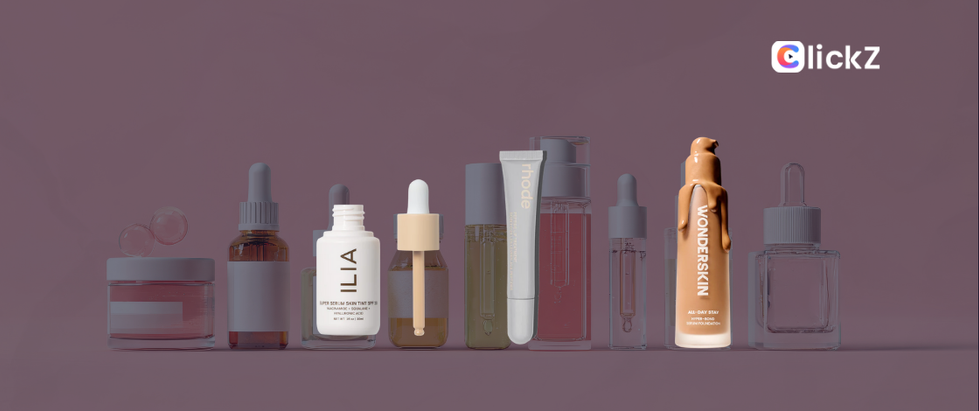
The momentum behind hybrid-formula beauty shows in recent launch activity. In 2025, several brands released complexion and lip products built around skin-supportive formulations rather than cosmetic finish alone. For instance rhode’s lip-tint products combine pigment with peptides and conditioning agents, delivering both colour and lip care.
ILIA Beauty added to its core line a “Super Serum Skin Tint SPF 40,” offering sheer-to-light coverage while including SPF and skin-benefiting ingredients – effectively blurring the line between base makeup and skincare.
Wonderskin’s new Hyper Bond Serum Foundation enters the mix as well, marketed as a base that supports hydration and skin resilience even under daily wear.
These examples show that hybrid dermocosmetic products are now positioned as mainstream essentials and foundational parts of brand portfolios.
Three factors are driving this shift.
These dynamics affect product strategy. Development must integrate dermatological and cosmetic expertise from the outset. Ingredient claims must be supported by validated evidence. Messaging that leans on broad lifestyle language without formulation substance weakens brand credibility.
Marketing teams must operate within tighter boundaries. Claims must describe effects on healthy skin. Several brands now involve dermatology advisers before releasing campaign assets.
Hybrid formulation introduces both technical opportunity and commercial pressure. When a product demonstrates visible enhancement while supporting long term skin condition, it creates repeat usage that is based on results rather than novelty. This changes how loyalty is built. Purchase decisions become experience driven instead of launch driven. That supports longer product lifecycles and reduces reliance on frequent seasonal releases.
This also raises the stakes. When a brand makes dermocosmetic claims without matching substance, consumers detect it quickly. They examine ingredient concentration and formulation validity. They share those assessments in open channels. Trust can erode faster in this segment because expectation is tied to performance.
The advantage belongs to brands that treat condition support as a core value rather than an added feature. Visual effect remains important although it no longer acts as the sole marker of quality. The defining standard is whether a product continues to contribute to the skin over time. That expectation is shaping how new launches are evaluated, how messaging is received and how long-term brand strength is determined.
Leave a Reply
You must be logged in to post a comment.