How Ruggable Turned Creator Marketing Into Its Highest-Performing Revenue Channel
Event Coverage Sponsored By
Lauren Sherman had been CMO of Ruggable for a matter of weeks when she made the call. The brand was over-indexed in channels with diminishing returns, the creative wasn’t connecting the way it needed to, and she had roughly half a million dollars and a two-week window to do something about it. Her answer was to put the entire budget into creators through ShopMy. “What is the fastest way to get our brand into the hands of people who can tell our story authentically?” That question, and the speed with which she acted on it, shaped the conversation she had at The Lead Summit 2026 alongside Dan Pelosi, NYT best-selling cookbook author and food and lifestyle creator, and Jack Riker, SVP at ShopMy.
The session was framed around creator marketing as a performance channel rather than a brand awareness play. But the more interesting argument running underneath it was about what happens when a brand is willing to give up creative control entirely, and builds the data infrastructure to know exactly which creators to trust with that freedom.
Sherman’s first observation about what ShopMy changed for Ruggable was not about ROI. It was about the nature of the channel itself. Creator content, she argued, does something no other channel in Ruggable’s mix does: it collapses the distance between inspiration and purchase into a single piece of content. A creator styling a Ruggable rug in their home is simultaneously showing the consumer what the product looks like in a real space, demonstrating how to style it, and converting the trust they have built with their audience into purchase intent.
“The storytelling, the inspiration, and the trust factor all exist in one place,” Sherman said. “When your consumer sees your product in the hands of someone they already trust, the conversion numbers are different.”
Ruggable saw roughly $3 million in revenue return in the first month of the ShopMy partnership. That figure doubled in month two and tripled in month three. The compounding dynamic she described is partly a function of the channel’s mechanics and partly a function of a simple operational change: before ShopMy, a small team was spending most of its time in spreadsheets and DMs, manually managing creator relationships and negotiating fees. After ShopMy, one person runs the entire program. The headcount and budget freed up by that consolidation went back into the marketing mix.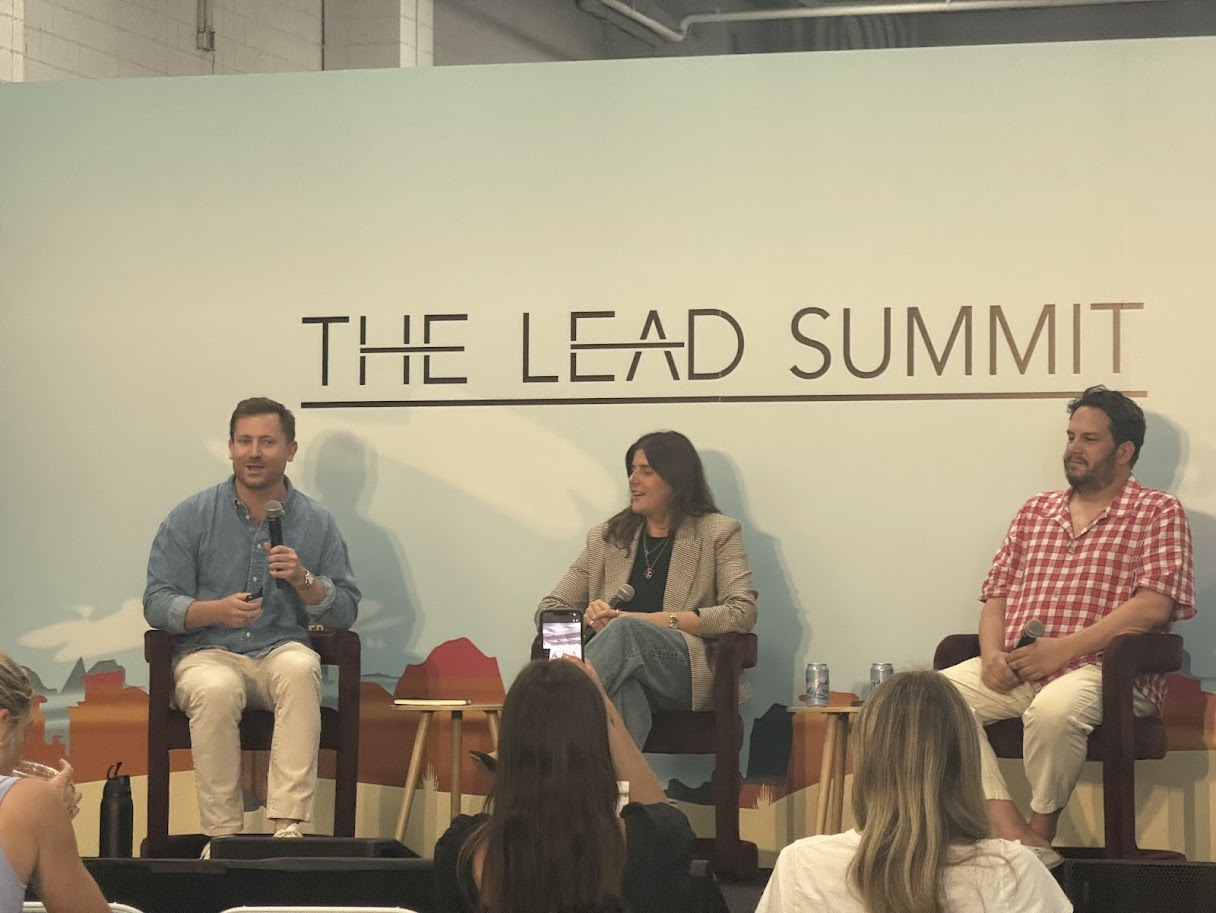
Dan Pelosi’s account of his path to ShopMy was a useful corrective to the assumption that affiliate is straightforward for creators. Before ShopMy, he had avoided it entirely. Too many platforms, too many passwords, no single place to see what was performing or where revenue was coming from. “As a visual person, I couldn’t visualize any ROI on affiliate because it was scattered all over the place.”
The shift came when his team introduced him to ShopMy and he could see everything in one dashboard: which brands he was selling for, which content was converting, what the numbers actually looked like. His corporate marketing background meant he could read the data properly once it was visible.
What ShopMy gave Pelosi, beyond the operational clarity, was a financial floor. His income as a creator comes from cookbooks, brand campaigns, and appearances, none of which are predictable. Affiliate revenue through ShopMy became the base layer he could project around. The holiday gift guide that crystallized this for him was not a major production. He was posting links casually. The return surprised him. A well-curated, visually coherent storefront, he discovered, compounds in a way that scattered affiliate links do not.
The most commercially specific part of the session was Sherman’s account of how the Ruggable x Dan Pelosi collection came to exist. The origin was not a brand brief or a creative pitch. It was a dashboard.
Once Ruggable had full visibility into creator performance through ShopMy, Sherman had a ranked list of every creator driving results for the brand. Dan Pelosi was on it in a meaningful way. She was in a conference room during Black Friday and Cyber Monday planning with her CEO and chief commercial officer when she saw that Pelosi had accepted a ShopMy opportunity from Ruggable. “All three of us are home cooks, all a little bit weird about rugs,” she said. “The energy in that room was immediate.” She slid into his DMs that same week.
Pelosi received the message on Thanksgiving Day, just after hosting 30 people. He assumed it was a holiday idea that would fade by Monday. It did not. Right after New Year, the collaboration became real. As a cookbook author who has always written about food being fun and nothing needing to be perfect or precious, a washable rug designed to be lived on was a natural extension of his brand. He came to the first design call with a clear vision and never deviated from it. Sherman described him as functioning as a genuine creative director throughout the process.
The point Sherman kept returning to was the difference between a data-informed collaboration and a hopeful one.
“I did not go into the collaboration hoping it would work. I went in knowing it would, because the historical data told me it would.”
That confidence changed the speed and ambition of the project. When a brand can see exactly how a creator’s audience engages with its product before a formal partnership begins, the collaboration conversation starts from a completely different place.
Both Sherman and Pelosi were consistent on the question of creative control: brands that try to over-script creator content will consistently get worse results than brands that let creators make the content their own way. Pelosi was direct about his own threshold. He will take a ShopMy opportunity only if the brand fits naturally into the way he already creates, and only if the brief gives him real editorial freedom. If the rules and restrictions get too tight, he does a traditional brand deal instead. The format is not the issue. The control is.
Sherman offered a version of the same argument from the brand side. One of her favorite things that happens on ShopMy is a creator posting the day after receiving a gifting opportunity without the brand shipping anything, because the creator already owns the product. They are asking their audience which colorway to choose. “That is a creator telling your brand story in a way you could never script,” she said. “Brands need to be less precious about deliverables and more willing to let creators lead.”
The implicit argument of the session was that creator marketing functions as a performance channel only when the brand is willing to relinquish the control instinct that governs most paid media. The measurement infrastructure, the ranked creator lists, the dashboard visibility, all of it matters. But it is only useful if the brand uses that data to make confident bets on specific creators and then gets out of the way. The brands that do both are seeing compounding returns. The ones that invest in the platform but retain the brief are getting brand awareness numbers and calling it performance.
Leave a Reply
You must be logged in to post a comment.