What Day 2 at The Lead Summit Was Really About
Event Coverage Sponsored by

Multiple sessions on day 2 came back to the same starting point: you cannot build community, pick the right retail partner, or brief a creator if you have not answered the identity question first.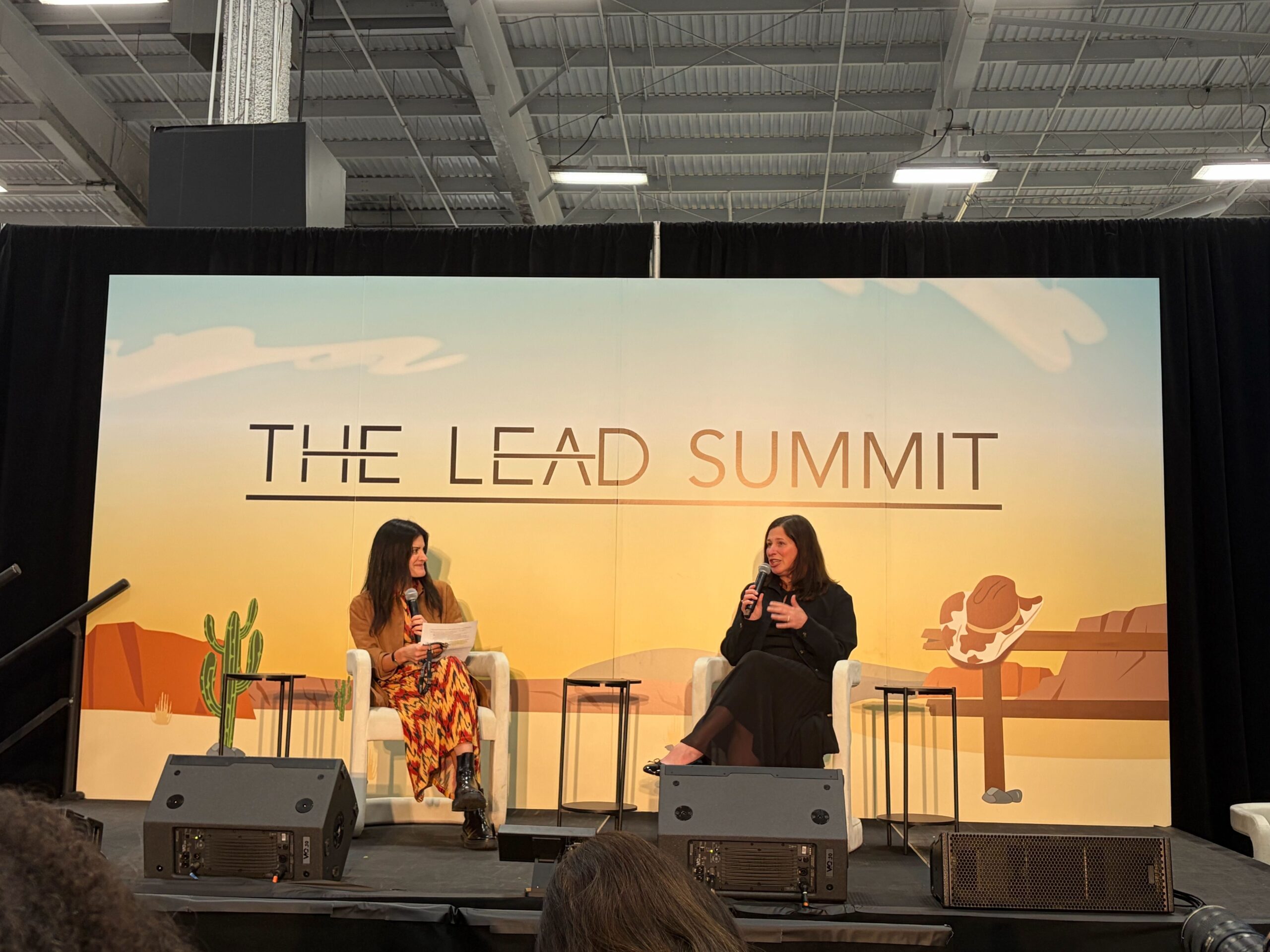
At e.l.f. Beauty, that answer is a three-question filter. Before any campaign, content, or initiative goes forward: Does it live up to the brand’s ethos? Does e.l.f. have the authority to speak on it? Does the community actually want to hear from e.l.f. on it? Samantha Critchell, VP of Corporate Communications, described it as operational, not aspirational. It is why the brand ran a campaign about corporate board diversity called “So Many Dicks” and received 99% positive sentiment. “People knew what to expect from us. It was just an evolution, not jumping into something new and shiny.”
Boll & Branch works from the same starting point. Chief Commercial Officer Katia Unlu described a store strategy built entirely around where existing customers already are. No Soho flagship. No new-market bets. All 16 stores sit in markets where wholesale and digital engagement already existed. “We see retail as an LTV builder. It’s people who are already our customers.” Wholesale at Nordstrom and Bloomingdale’s came first – not as a revenue channel, but as a way to understand which markets, assortments, and customers worked before committing to a full store.
At amika, the same logic applies to community. CMO Nilofer Vahora described a stylist circle that does not operate as a pyramid. Every tier – celebrity stylists, working salon professionals, micro creators – gets the same access and engagement. When amika launched its signature scent, 65% of purchasers were new to the brand. The community had established demand before retail distribution came online.
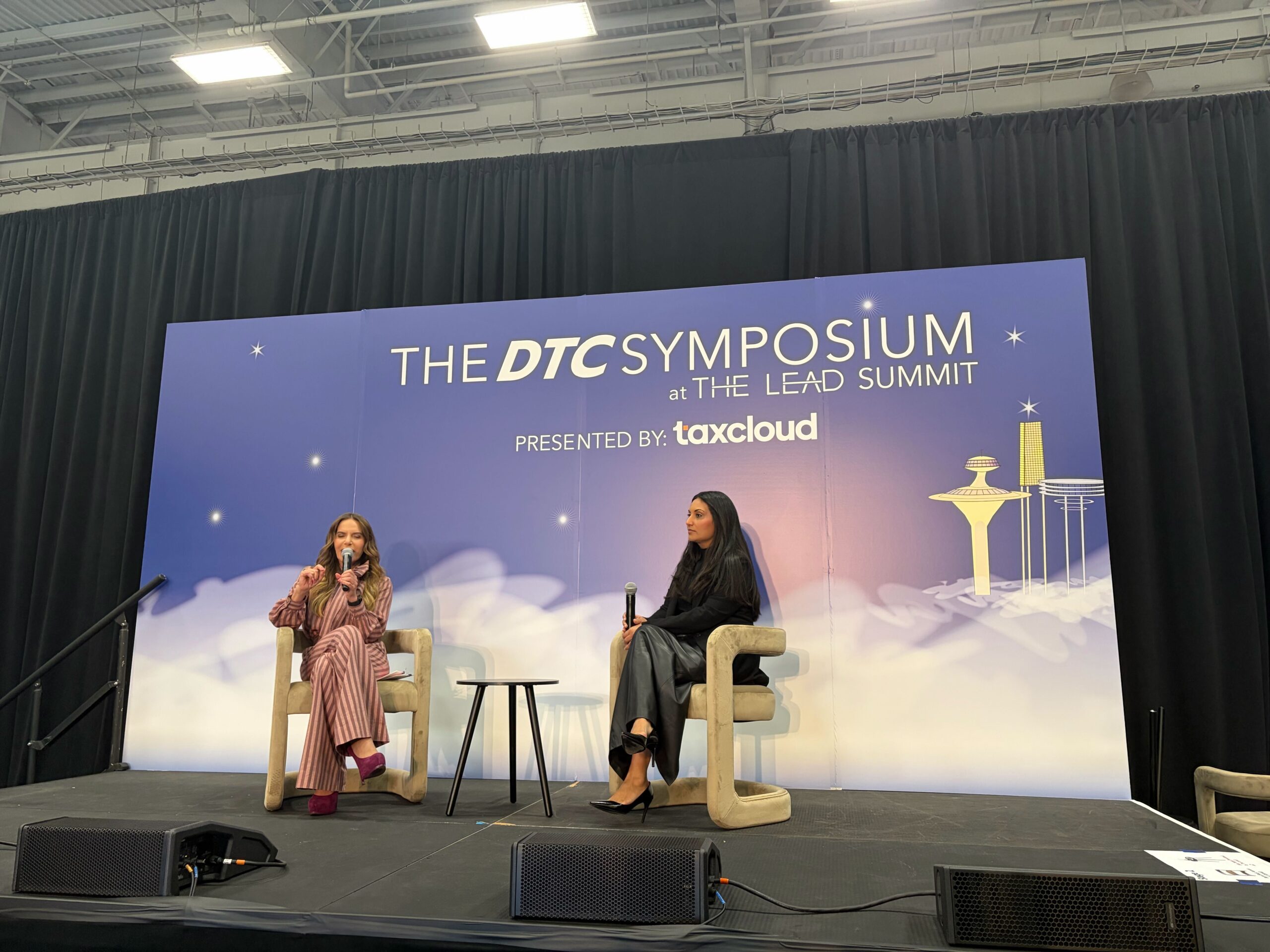
The ROI question came up in multiple sessions, and the answers were more useful than the usual brand-equity hand-wave.
Daren Hull (COO, Sèchey) offered a three-part test. Are people talking to each other, not just back to the brand? Are they returning? Are customers creating value for other customers – ideas, reviews, shared experience? CLTV and repeat rate analysis follow those three signals. They do not precede them. “If you walked away for a month, are the customers still talking to each other? That’s what you want to set as your goal.”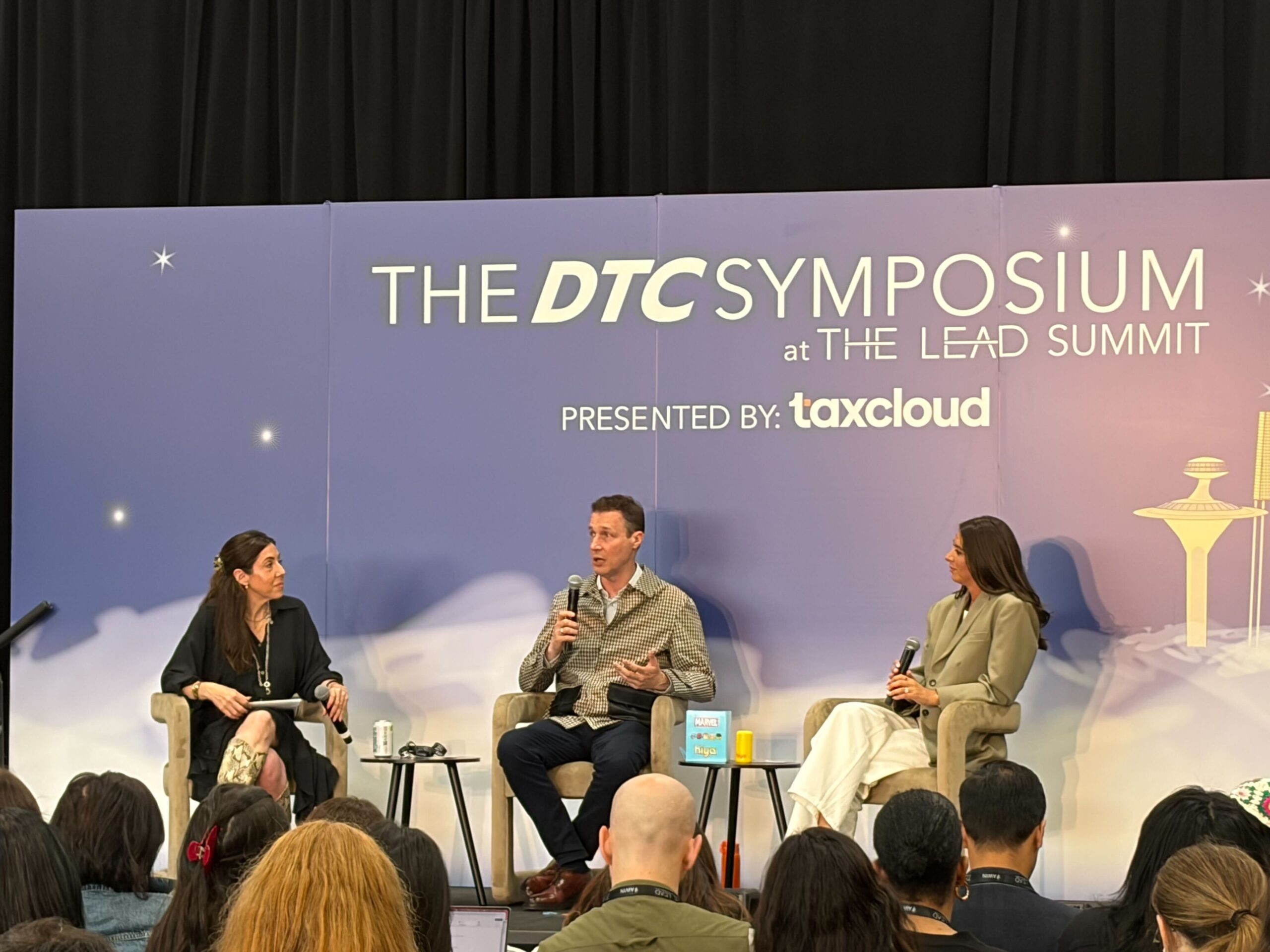
He also named the failure mode he had seen most often. The community ask is too large. Inviting someone to share why they are sober-curious hits a wall. Asking what changed about Thanksgiving dinner when they started introducing non-alcoholic alternatives gets responses. “You have to make being part of your community easy and meaningful.”
Hiya, a kids’ vitamins brand, runs the same logic on DMs and ad comments. Every one is reviewed. Community input feeds directly into the product development pipeline. At NEST NEW YORK, Erwan Le Berrigaud briefs creators around the three emotional drivers behind fragrance purchase – desire and attraction, social identity, personal mood – rather than product features. Fragrance cannot be demonstrated. Emotion can be. “Content is the new targeting.”
Both Nilofer and Erwan were unanimous on AI-generated creators: a hard no.
Boll & Branch and BERO – the premium non-alcoholic beer brand co-founded by Tom Holland, represented by SVP Declan Duggan – approached wholesale and retail from different category positions but arrived at the same operational principle.
Get on the floor.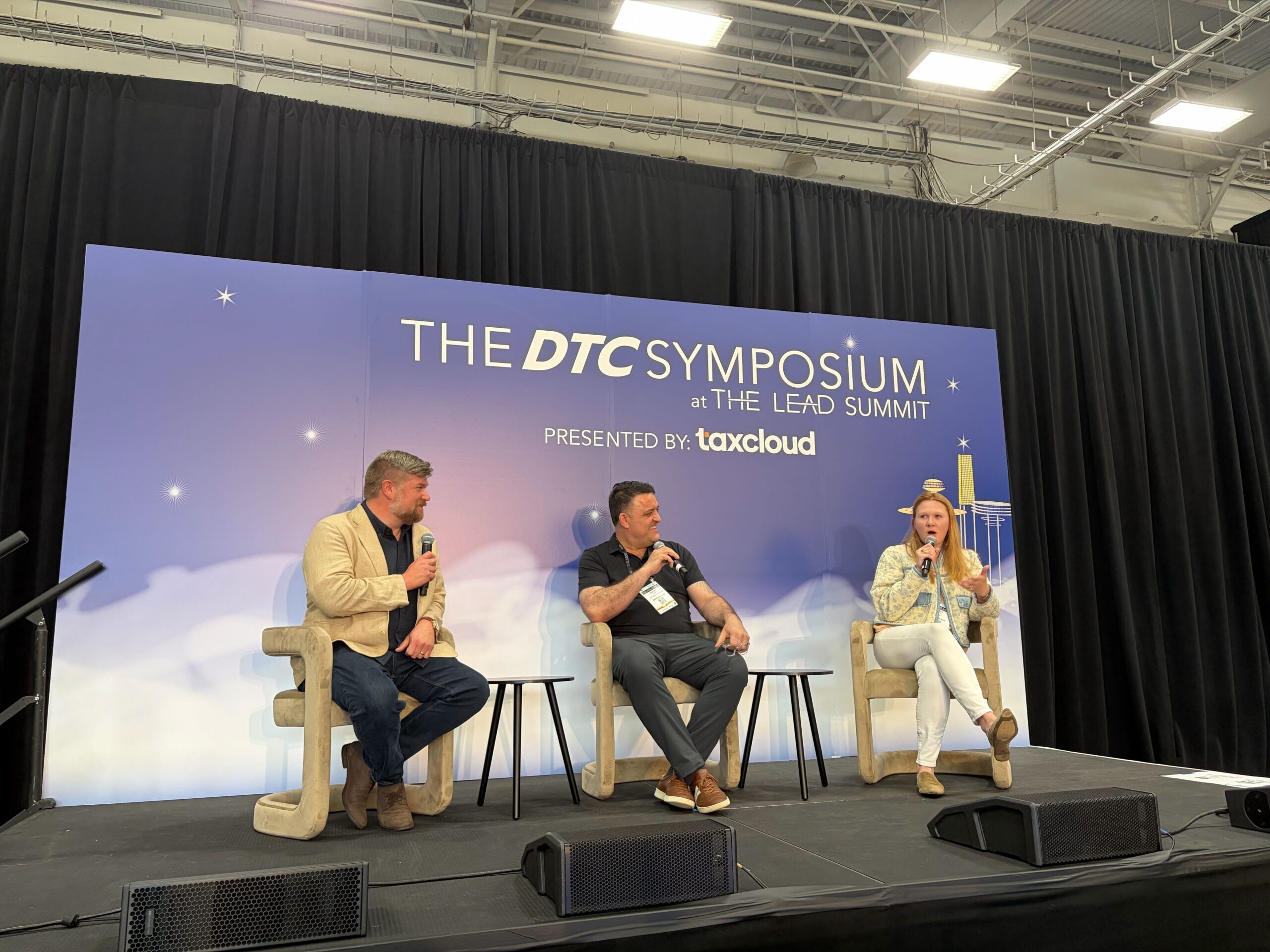
Boll & Branch’s bed visualizer, which lets customers photograph their bedroom and place products into the image, came from a store manager conversation during a floor visit. Every member of Unlu’s team is mandated to take customer service calls during peak periods and to work in a retail store. “I learned the most when I am in a store talking to our retail associates and customers.” Katia Unlu: “Removing barriers for your people downstream is exactly what you need to be doing every day.”
For BERO, wholesale strategy started with a consumer insight: their customer shops premium natural food retailers. Wegmans, Harris Teeter, HEB, Publix, Ralphs. Not all large-format grocery. In a category where buyers are consolidating and reducing brand count, cutting through requires continuous new product news. Their next move is a four-flavor shandy 12-pack that does not currently exist in the category.
Lo & Sons and Little Words Project were the most operationally specific on AI deployment.
Lo & Sons collapsed product development timelines. Concept to factory-ready visual now takes under an hour. President Katie Omstead’s filter for any tool: does it help move faster, save cost, and reduce complexity? “If you’re not utilizing the tool within the first few days, that’s an immediate sign.” AI runs creation and iteration. Humans apply judgment and brand standards.
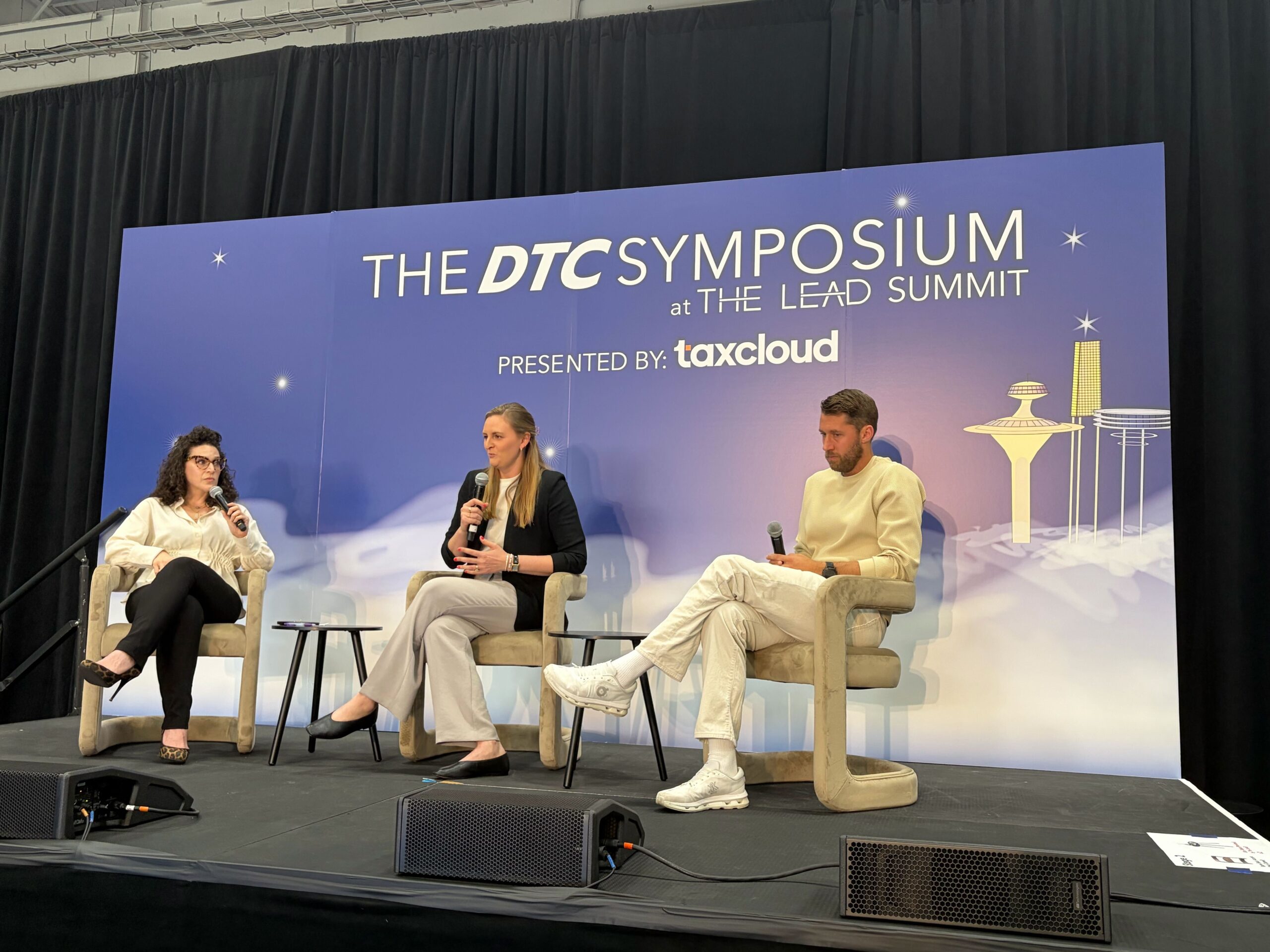 Little Words Project built a proprietary operating system on Claude Code. CEO Bill Carrig ran the initial diagnostic on vacation – feeding Gmail and Slack data into Claude on his phone while his kids were in the pool. The system replaced Google Sheets and reduced 24/7 noise across time zones for a team running 3 million bracelets through multiple channels with one sourcing manager and one designer.
Both brands have governance structures. Little Words Project runs a four-person AI steering committee that meets weekly. Lo & Sons routes all tool evaluation through its CEO. Different structures, same purpose: prevent every team member from independently trialing everything.
Carrig’s most practical caution: bad data compounds. “We were trying to wrap a layer on something that was a little bit like quicksand in the beginning.” Their first hire after deploying AI was a systems integrator to clean the data underneath.
Leave a Reply
You must be logged in to post a comment.